
“The helpful thought for which you look
Is written somewhere in a book.”
– Edward Gorey
I rarely set out to read related books in any given month, but sometimes a theme emerges anyway.
In the books I recently finished, I see this invisible question emerging: How can we live with dignity—for ourselves and for others—in a complicated world?
Each book answered that question from a slightly different angle, showing that being fully human is practiced through joy, abundance, hope, justice, respect, morality, and empathy.
[See previously recommended books here]
Here are the 5 nonfiction and 2 fiction books I recommend this month.
NONFICTION
1. Joyful, Anyway
by Kate Bowler
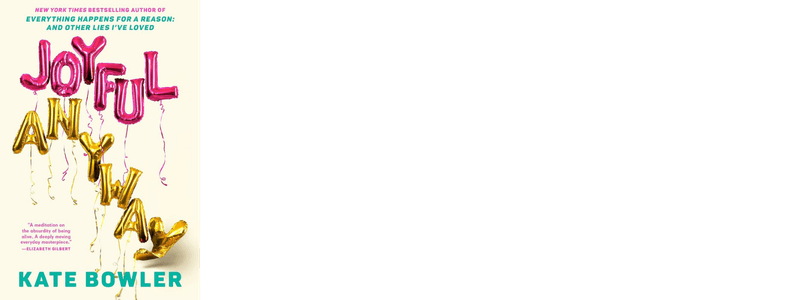
Kate Bowler shares so many personal stories in her books that she feels like a friend you can trust. I appreciate her witty yet poignant reflections in this book on what it means to find joy in the midst of the ache. She says that joy isn’t the absence of suffering; it’s a way of remaining open to beauty, hope, and connection even in the midst of it.
2. Big Time
A Simple Path to Time Abundance
by Laura Vanderkam
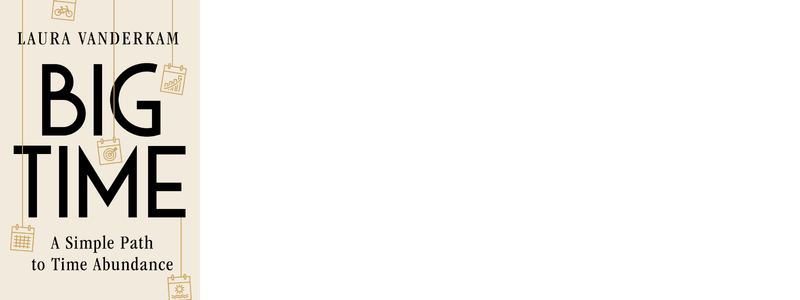
Another of my favorite authors, Laura Vanderkam always challenges my ongoing feeling that I never have enough time. In this book she offers practical strategies for creating a greater sense of time abundance. I wrote more about it here, 10 Ways to Think Bigger About Time.
3. The Deliverance of Hope
The Spiritual Discipline of Writing People on Death Row
by Wendy Ramage and Jeff Hood

I’ve met these authors on Zoom calls lately, and they’re both sincerely passionate about restoring human dignity to people who often receive it the least. They do an incredible job exploring how letter-writing is one way to bear witness to the truth that each person is more than the worst thing they’ve ever done.
4. A Thousand Ways to Die
The True Cost of Violence on Black Life in America
by Trymaine Lee
Another well-written book on a difficult topic, this one by journalist Trymaine Lee tells how violence affects Black communities far beyond the immediate loss of life. Through reporting, real-life examples, and statistics, he shows how families and communities continue to bear the long-term effects of gun violence. This book will move you.
5. Beyond the Politics of Contempt
Practical Steps to Build Positive Relationships in Divided Times
by Doug Teschner, Beth Malow, and Becky Robinson
My book club spent several months reading this practical guide to learn how to better keep healthy relationships across political and ideological differences. Spoiler alert: It’s not about winning arguments. Instead, it relies more on curiosity, respectful dialogue, and everyday graciousness toward fellow humans.
FICTION
6. The Hunger Games
by Suzanne Collins
This was a repeat read for another book club I’m in. It’s about a dystopian society where children from each district are forced to participate in a televised fight to the death. Katniss Everdeen volunteers to take her sister’s place and enters the Hunger Games. It’s a disturbing premise, but the story reveals a lot about the power of resistance, about inequality, and about the choices that people make when they live in oppressive societies.
7. James
by Percival Everett
This is the perfect follow-up after reading Adventures of Huckleberry Finn last month. It’s is a reimagining of the same story except through the character of Jim (James). No offense to Mark Twain, but I enjoyed this book more than the original. Everett is a great storyteller and gives James amazing depth. He sticks loosely to the original storyline of Twain’s original while also adding in some surprising twists along the way to make the story feel entirely fresh. I highly recommend this Pulitzer Prize-winning book.
WHAT I’M READING NOW
- Theo of Golden
by Allen Levi - I Belong to Me
A Survivor’s Guide to Recovery and Hope after Religious Trauma
by Tia Levings - Why Won’t You Apologize?
Healing Big Betrayals and Everyday Hurts
by Harriet Lerner - Influence
The Psychology of Persuasion
by Robert B. Cialdini - In Love with the World
A Monk’s Journey Through the Bardos of Living and Dying
by Yongey Mingyur Rinpoche - Aging Out
An Exploration of Caregiving, Community, and How Americans Grow Old
by Lucy Schiller - Fahrenheit 451
by Ray Bradbury
Together, the books I finished this month reminded me of the importance of treating each other better every day. None of us has it all figured out. But by becoming more thoughtful, attentive, and compassionate, we can improve both our own lives and the lives of others.
That’s one of the reasons I love reading. Stories entertain us, yes, but they also reshape how we see the world and how we choose to live in it.
Have you read any of these books? Leave a comment with your thoughts—or tell me what book you recommend.