
As society modernized, people found themselves able to live independently from any communal group.
A person living in a modern city or a suburb can, for the first time in history, go through an entire day—or an entire life—mostly encountering complete strangers.
They can be surrounded by others and yet feel deeply, dangerously alone.
– Sebastian Junger in Tribe: On Homecoming and Belonging
I was unloading groceries last week.
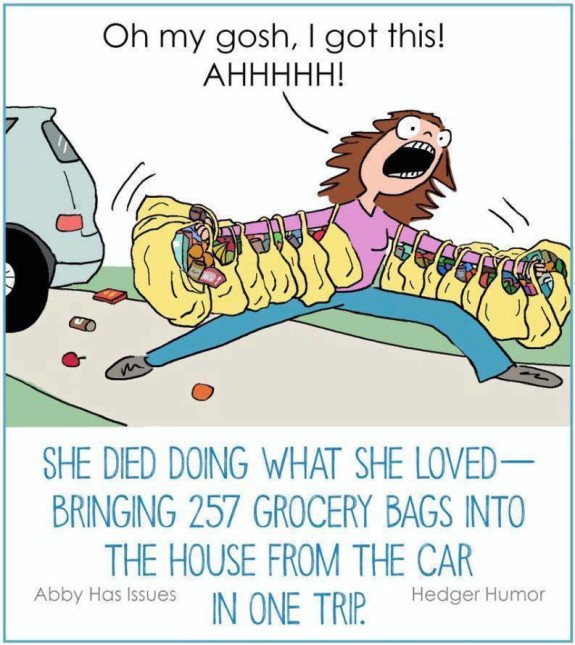
As usual, I was trying to make as few trips as possible from the car to the house.
In my haste, I scraped my knuckles against the metal of the car. It hurt. I bled.
As the week went by, I kept re-injuring my wound. Who knew how often we unintentionally rub our knuckles against things all day long?
So I started wearing a band-aid to protect the scabs.
When I showed up on Thursday to read to Jenna’s kindergarten students, what did they notice first? My band-aid.
With oohs and ahs, they’d say, “You have a band-aid! Why???”
But not all wounds come with a band-aid.
And so they go unnoticed.
Jay (not his real name) is one of the young men that Kay and I deliver meals to each week. He has a chronic illness, but you’d not know it by looking. Only when Jay began losing weight and looking more pale did we realize he was getting sicker.
When we asked, Jay told us how sick he really was. And equally as important, he told us how tired he was of being sick. To the point of suicide.
Invisible wounds are often carried in isolation. What can’t be seen is often not shared. And not given treatment as quickly or thoroughly as a more visible ailment.
I sometimes wish our bodies came with outer gauges:
- “Has a headache”
- “Didn’t sleep well last night”
- “Joints are hurting”
Visible signs of pain might help us be more gentle with each other.
Instead, we have to pay closer attention to more subtle clues, the invisible band-aids, like slower steps or shorter answers or change in weight.
And we have to ask questions, genuinely listening for the answers.
We didn’t have any solutions for Jay’s illness or his depression. But we could at least listen, offer prayers for relief, and let him know he is not alone.
While wounds may sometimes be invisible, people should not be.
I continue wearing a band-aid on my knuckles. If I still need it next Thursday, I’ll try to replace it with a cuter one for the kids.
Because they will notice. Then they will ask.
May we be more like the kids.
* * *
What tips you off to someone else’s pain? How can you tell they are hurting? Please share in the comments.