
That was so 2017. Now it’s 2018!
Here are favorites from December and what I’m looking forward to in January. We share once a month at Leigh’s.
1 Second Everyday
[If you can’t see the 1 Second Everyday video, click here]
~ * ~ * ~ * ~ * ~ * ~
5 Things Around the Web
1. Celebrate World Introvert Day, January 2
by Jenn Granneman
For us introverts, we celebrate surviving another set of holidays surrounded by people and activity.
“The idea is that introverts set aside this time to recharge after the busy, tiring holiday season. It’s also a day to bring awareness to introversion and remind the world that being an introvert is something awesome, not shameful.”
~ * ~
2. Clear to Neutral: The One Habit That Stops You From Procrastinating
by Thanh Pham
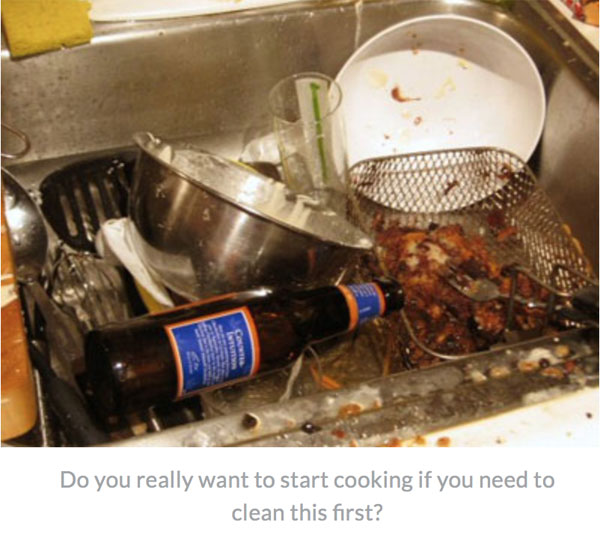
“The main idea behind Clearing to Neutral is you set yourself up for success. Anytime you finish your activity, do a little routine where you set it up so the next time you start, there is no friction. In other words, you set up your environment for next time.”
~ * ~
3. The Most Mispronounced Words of 2017
by Christina Kline, CNN
“Here is Babbel’s list of the top 10 mispronounced words in 2017, complete with how to say them so you don’t keep butchering them.”

~ * ~
4. How to Love Visiting Church Members in the Hospital
by Timothy Raymond
This isn’t just for pastors. And not just for visiting fellow “church members.”
“Hospital visitation is a unique opportunity for pastors to demonstrate Christian love and speak gospel words into the minds and hearts of those who, due to the circumstances, may be unusually attentive.”
~ * ~
5. 2017 Politics, GIF-Wrapped
by Brenna Williams
Regardless of your politics, these should just make you smile. We all need that from 2017, yes?
~ * ~ * ~ * ~ * ~ * ~
5 Things about Books
1. The 2018 Reading Challenge
at Modern Mrs. Darcy
It’s just 12 books. I love the practicality and intention of this challenge.
“On our list, we won’t ask you to read a book that’s periwinkle blue, or that’s by an author who shares your name, or that has a vegetable in the title. Instead, we’re focusing on twelve categories that have delivered best-of-the-year reading experiences to thousands of readers over the years.”
~ * ~
2. 10 Best Books I Read in 2017
by Emily Freeman
I’ll be returning to this list in 2018 to track down some of these books.
~ * ~
3. Easy Bible Reading Challenge – 31 Days in Proverbs
at DoNotDepart
Here’s a reading challenge any of us can do. Read 1 chapter of Proverbs every day. Be finished by the end of January. Download a free packet.
~ * ~
4. My Own Favorite Books of 2017
- Some are about healing the divisions in our country.
- Some are about God and faith.
- Some are memoirs of real-life people and meaning.
~ * ~
5. Want to Read More in 2018? Here’s how.
~ * ~ * ~ * ~ * ~ * ~
5 Things I Love
1. Nurture App
Morgan has used this pregnancy tracker for our baby Riley. I downloaded it, too. It’s been fun seeing the development of the baby along the way. And now we’re in the final countdown!
~ * ~
2. Christmas with My Daughters
We did Christmas at several places this year, but our immediate family went to Morgan’s house this year since she couldn’t come to us.
Jenna, Morgan (and baby Riley), Lisa
~ * ~
3. And the Men
It was fun having everyone together again, including all the husbands!
Fuller, Jeff, Trey
~ * ~
4. Steak Tradition
For Christmas with Jeff’s family, we always have grilled steak and twice-baked potatoes. It was a blustery day but the men did their part well.
Steve, Trey, Jeff
~ * ~
5. Boardgames Anyone?
We broke out my (very) old Clue game at Morgan’s house. My daughters have learned all my tricks now. I no longer can dominate. I need some updated strategies.
~ * ~ * ~ * ~ * ~ * ~
5 Things on the Blog
- 5 Relationship Tools to Carry into 2018
Have any of your friendships been bruised in 2017? Here are 5 relationship tools to carry into 2018. - The Word Became Flesh – and He Still Does
Hope’s stuff was meant to be used, not hoarded. Christ’s flesh is meant to be worn, not shelved. How can we wear it? - More Presents? Or More Presence?
Betty gave me small talk. Until it was time to pray. There is a way to connect more with others and plug in to God’s presence, too. - Will You Think About It?
Keeping an open mind is hard work. But keep doing it. See these six items on The Thinking Person’s Checklist. - Does This Story Ever End?
I didn’t hear the gun go off. But I knew what it meant. Another story ended?
* * *
What was one of your highlights from December? What are you looking forward to in January? Please share in the comments.